Beyond the Game

Football as a tool for teamwork, inclusion, intercultural learning and understanding society

Dates
13–21 June 2026
Location
Youtopia Riverside guest house, Stara Zagora, Bulgaria
Countries
Bulgaria, Poland, Romania and Greece
Format
Erasmus+ Youth Exchange
Download Catalog Materials & Videos
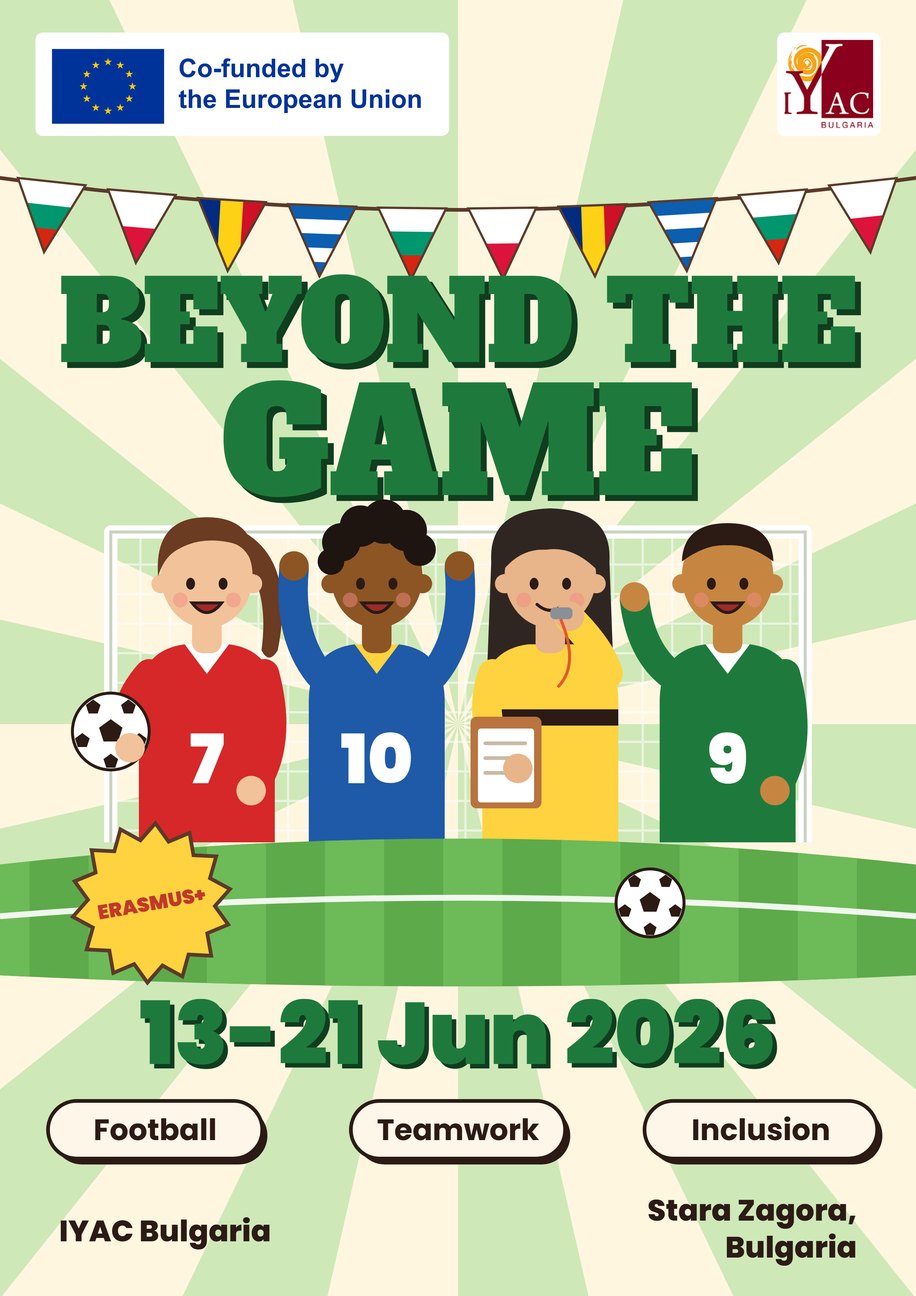
Beyond the Game poster

"Beyond the Game" was an Erasmus+ youth exchange that used football as a starting point for learning about teamwork, inclusion, history and culture. Young people from Bulgaria, Poland, Romania and Greece met in Stara Zagora to explore the values and stories behind the world's most popular sport, using non-formal education methods throughout.

The exchange opened on 14 June with team-building activities and an introduction to the project's goals. After the first icebreakers, international teams designed and led their own games, setting the tone for a week in which participants would be active creators rather than an audience.
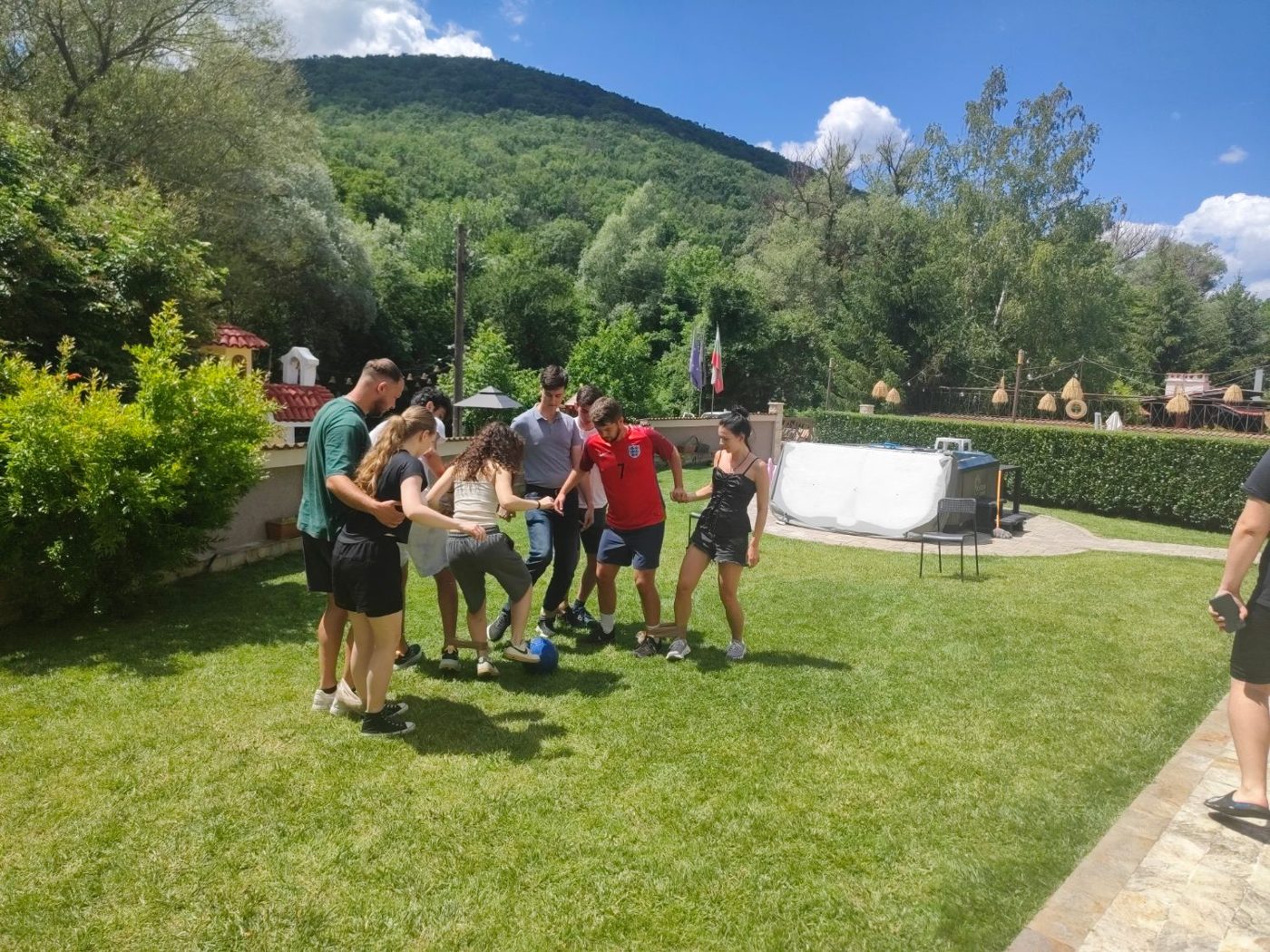
Participants with their ankles tied together huddle around a football in the garden, a green mountain behind them

On the second day, a football knowledge quiz helped participants identify their starting points and divided the group into three levels: Beginners, Explorers and Experts. This structure shaped the rest of the exchange, with participants learning from each other across levels. The day ended with a presentation on sport by the Greek team and a Greek cultural evening with traditional food.

Day three was built on learning by doing and peer-to-peer exchange. Working in their three groups, participants examined five of football's most debated rules: offside, VAR, the back-pass rule, handball offences and the advantage rule. The Experts first shared their knowledge, then the Beginners took on the role of facilitators and explained the rules to everyone else. The group also looked at the history of these rules and how they have changed over time. Following the Greek perspective from the day before, participants from Romania, Poland and Bulgaria presented the historical and social role of football in their own countries, which led to debates on how the game reflects culture, values and society.
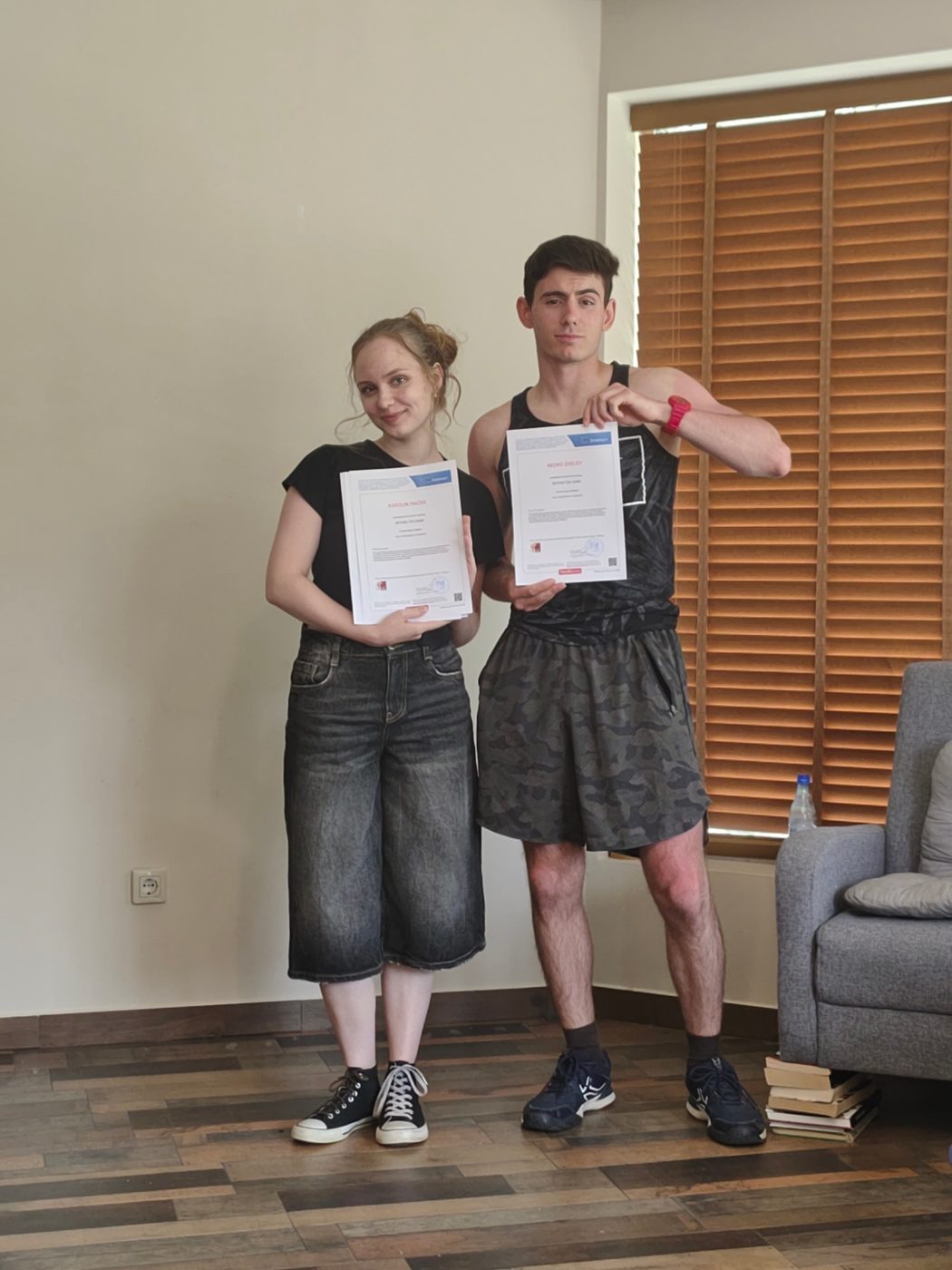
Two participants proudly holding their Youthpass certificates
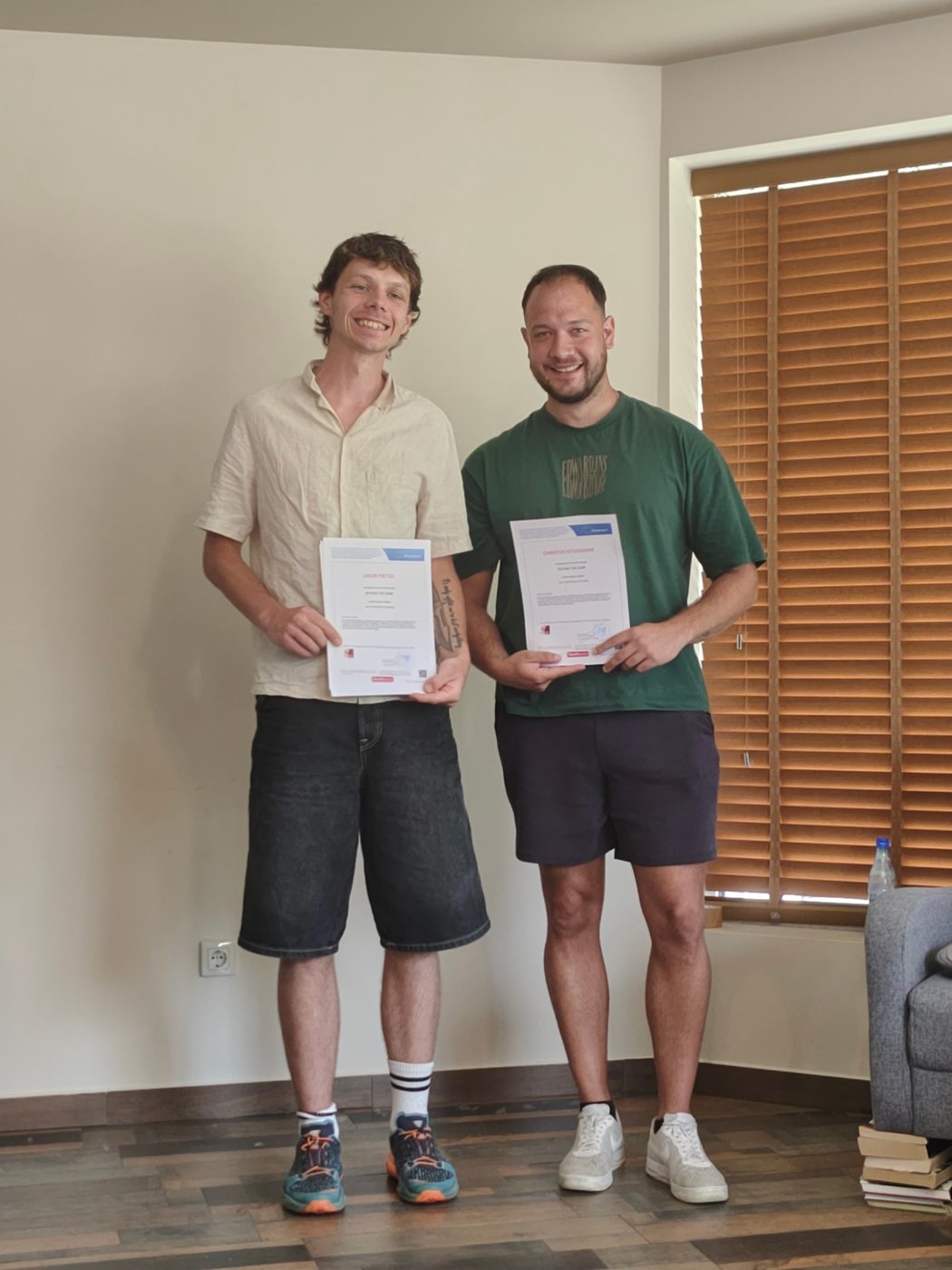
Two smiling participants holding their Youthpass certificates

On day four the group travelled to Veliko Tarnovo, one of Bulgaria's most historic cities. Through experiential learning, participants explored how history, identity and tradition shape societies and influence the way people connect through sport. The visit underlined one of the project's central ideas: to understand football, you also need to understand the people, cultures and stories behind it.

In the final days, participants tested, improved and finalised the workshops and activities they had created themselves. These games used football and non-formal education to build teamwork, coordination, trust, communication and inclusion. A Polish cultural evening introduced the group to Polish music, dances and food, including a session where everyone learned to make pierogi together. The exchange closed on 20 June with farewell games, a reflection and evaluation session in which participants shared their learning and personal growth, and a Youthpass ceremony recognising everyone's achievements.

Main impacts

  1. Participants developed teamwork, communication, facilitation and leadership skills, especially through the Beginners-as-facilitators approach.
  2. Young people with different levels of football knowledge learned together on equal terms, putting inclusion into practice.
  3. The group gained a deeper understanding of how sport connects to history, identity and society across four countries.
  4. Intercultural understanding grew through cultural evenings, debates and the shared visit to Veliko Tarnovo.
  5. Participants' learning was formally recognised through Youthpass.

Results and outputs

  • A set of participant-designed workshops and games that use football and non-formal education to build teamwork, trust, communication and inclusion, tested and refined during the exchange.
  • Peer-led sessions explaining five controversial football rules and their history.
  • Youthpass certificates for all participants.
Co-funded by the European Union

Funded by the European Union. Views and opinions expressed are however those of the author(s) only and do not necessarily reflect those of the European Union or the European Education and Culture Executive Agency (EACEA). Neither the European Union nor EACEA can be held responsible for them.

Our projects